

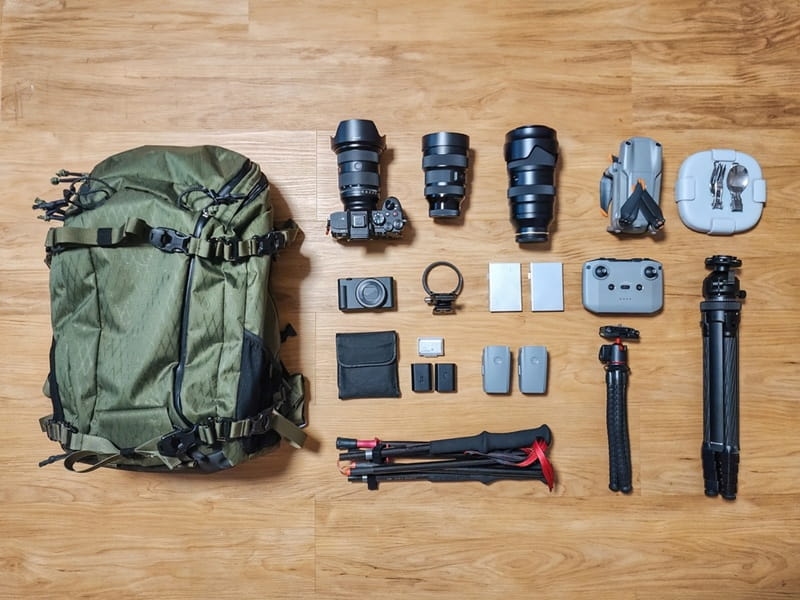
Camera gear for beginners can feel confusing at first, and that feeling happens to almost everyone. There are many choices, many prices, and too much advice floating around. Photography learning works best with simple tools and clear goals. This guide breaks down camera gear for beginners using real examples and plain language. The focus stays on the best beginner camera equipment that helps learning, not showing off.
Maintaining a manageable amount of beginner-level camera equipment will take away stress and allow you to focus. Beginner-level digital cameras are great tools for learning about composition, light, and timing; therefore, knowing which camera(s) to purchase will save you money and help you avoid buyer's remorse. Similarly, accessories for digital photography may not seem like a huge deal, but they have been known to play a significant role in early photographic success.
The type of gear a beginner uses affects how quickly they develop skills. Using complex tools makes it challenging to learn and build confidence, while simpler tools encourage practice and foster curiosity.
What this really means is that the right gear removes obstacles. Photography improves through repetition, not through expensive upgrades. A clear beginner photography gear list allows focus on technique instead of menus and buttons.
Key reasons simple gear works better
This approach aligns with how most professionals actually learned photography.
Related Articles: Steps for Camera Settings for Beginners Made Simple and Fun
The best beginner camera equipment combines ease of use, image quality, and a reasonable price. Gear should support learning exposure, focus, and framing without feeling overwhelming.
Affordable cameras for beginners come in three main types. Entry-level DSLR, mirrorless, and advanced compact cameras. Each type supports manual controls while offering automatic modes when learning feels tough.
Common beginner camera options
When deciding what camera to buy for beginners, comfort matters more than brand loyalty. Affordable cameras for beginners still deliver excellent quality for learning the basics of photography.
Photography styles require different types of equipment; for example, a beginner taking family portraits has different equipment requirements than someone working with landscapes or wildlife.
General guidelines:
Using this method will provide a beginner's photography gear list that develops more logically.
A strong beginner photography gear list includes only tools that serve a clear purpose. Extra items can wait until experience grows.
The camera body matters, but the lens often matters more. Most affordable beginner cameras include a kit lens that handles everyday photography well.
Basic starter setup
This setup fits perfectly within the best beginner camera equipment category and supports many styles.
Basic photography accessories for beginners improve comfort, protect equipment, and prevent frustration.
Useful accessories include
These accessories help keep beginner camera gear safe and ready to use.
Lenses seem confusing at first, but the basics stay simple. Beginners usually need only one lens for a long time.
Kit lenses teach zoom control and framing. Prime lenses can come later. Many experienced photographers learned with just one lens for years.
Lens basics explained
For beginner camera gear, staying minimal helps learning move faster.
Expand Your Knowledge: Essential Camera Maintenance Tips Every Photographer Needs
Tripods are part of the best beginner camera equipment when used correctly. They help produce sharper photos and teach steady composition.
A beginner tripod should feel light and quick to set up. Heavy tripods often stay unused.
Good tripod features
These features make photography practice easier and more enjoyable.
Camera bags protect equipment and simplify transport. The right suitcase fits the beginner photography gear list without wasted space.
Simple backpacks or sling bags work best for beginners. Overly large bags add clutter and confusion.
Protection tips
Basic photography accessories for beginners should always include protective tools.
Gear alone does not teach photography. Learning tools complete the experience.
Helpful learning tools
These tools help beginners make sense of which camera to buy and how to use it effectively.
Many beginners buy too much equipment too soon. That slows progress and creates confusion.
Common mistakes
Here’s the thing. Skill grows through practice, not upgrades.
Upgrades should solve problems, not follow trends. When limitations appear, then upgrades make sense.
Signs an upgrade helps
This method keeps camera gear affordable for beginners.
Planning a budget helps avoid impulse buying. Affordable beginner cameras provide space for accessories and learning tools.
Smart budget tips
This strategy supports long-term growth.
Must Read: Ultimate Camera Lens Guide for Sharper and Stunning Photos
Camera gear for beginners works best when it stays simple, affordable, and practical. A focused beginner photography gear list builds skills faster. Affordable cameras for beginners deliver strong results when paired with learning and practice. Progress comes from patience, not pressure.
You can find a very capable used DSLR or older mirrorless camera with a lens for between $200 and $500. For a new model from a major brand, expect to spend between $500 and $800 for a camera and kit lens.
Upgrade when you consistently hit the technical limits of your gear, not just when something newer exists. For example, if your camera struggles in low light, no matter your settings, or its autofocus keeps missing shots you want to take.
After a memory card and an extra battery, a camera bag is the most important. It protects your investment and makes it easy to take your camera with you, which is the best practice.
Absolutely. Buying from a reputable used retailer like MPB or KEH is a fantastic way to get better quality gear for your money. They rate the condition accurately and often offer a warranty, which takes the risk out of buying used.
This content was created by AI